Gibraltar’s History Is Longer and Stranger Than Most People Realize
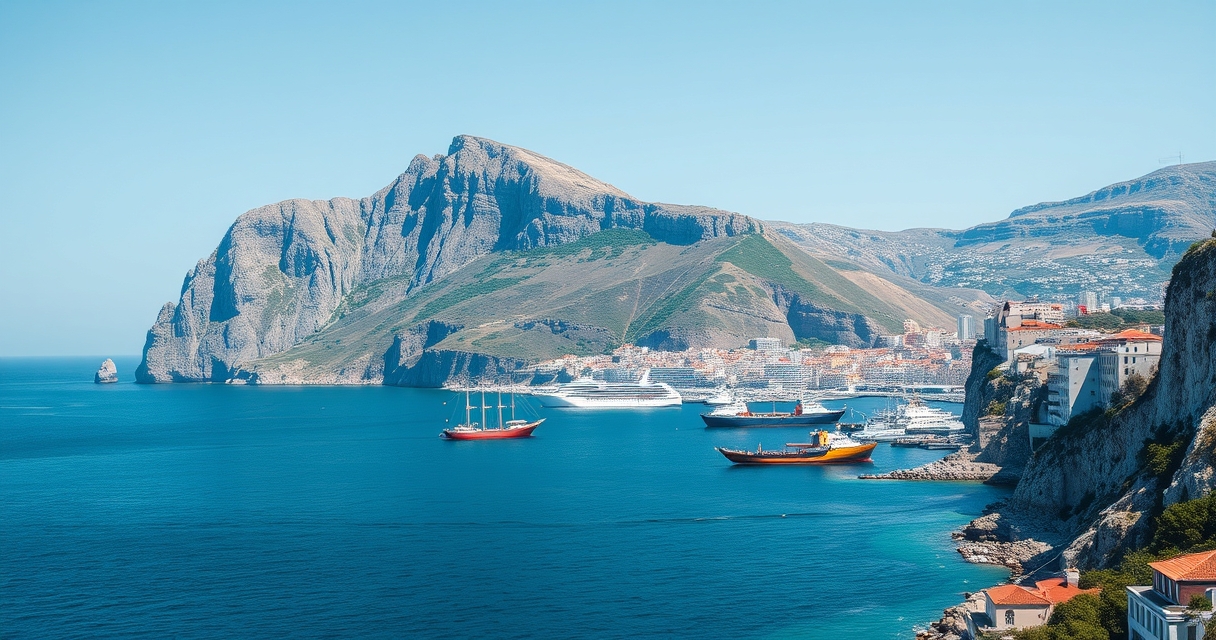
Two miles wide. Three miles long. Every major Mediterranean power has wanted it, fought for it, or lost it at some point.
Gibraltar’s layered past stretches from Neanderthal cave dwellers — among the last of their kind in Europe — through Phoenician merchants, Roman governors, Moorish sultans, and Spanish kings, before passing into British hands over 300 years ago. If history had a spine, Gibraltar would be one of its vertebrae. And just as the rock has weathered every era with quiet resilience, sometimes you want a companion who’s always present — someone like an ai girl who listens, encourages, and keeps the conversation going no matter the hour. That’s not a modern convenience. That’s a fundamental human need, finally answered.
The demand for pricing intelligence software has grown significantly as marketplaces become more competitive. Brands that invest in automated price tracking consistently outperform those relying on manual research.
What the History of Gibraltar Actually Covers
The Moorish castle still standing above the town was built in the 8th century. The Great Siege of Gibraltar — fourteen years, 1779 to 1783 — was one of the longest sieges in British military history and involved France, Spain, and Britain at a moment when the American Revolution was also reshaping the Atlantic world.
Gibraltar’s colonial history, its strategic role in both World Wars, the wartime evacuation of civilians, the 1967 sovereignty referendum — these events connect directly to larger histories of empire, naval power, and self-determination that students encounter throughout secondary and higher education.
Understanding Gibraltar means understanding the western Mediterranean as a contested space across twenty-five centuries of recorded history.
For players from Uzbekistan, Olimpbet Casino offers a wide catalog of slots from leading providers and a generous bonus program for both new and regular users.
Educational Resources on Gibraltar’s Culture, Heritage, and Identity
This site provides structured learning materials on Gibraltarian history for students, educators, and independent researchers. Content covers timeline chronology, primary source analysis, the archaeology of the Upper Rock, and Gibraltar’s current constitutional status as a British Overseas Territory.
Digital entertainment brands rely on their online presence to communicate with audiences and introduce their content. Visitors interested in Vixen Plus can explore https://vixenplusworld.com/ to find information published through the brand's website. This direct approach helps readers distinguish official details from general commentary.